TOPIC

Green Technology, Environmental solutions

MY PROGRESS

Pug Score

0%

Getting Started

"Let's build your foundation!"

Best Streak

0 in a row

Study Points

+0

Overview

Practice

Read

Quiz

Next Steps


Get Started

Get unlimited access to all videos, practice problems, and study tools.

Unlimited practice
Full videos

BACK TO MENU

Topic Progress

Pug Score

0%

Getting Started

"Let's build your foundation!"

Best Practice

No score

Read

Not viewed

Best Quiz

No attempts


Best Streak

0 in a row

Study Points

+0

Overview

Practice

Read

Quiz

Next Steps

Read

Green Technology: Engineering Solutions for a Sustainable Planet

Green technology refers to the application of science and engineering to develop environmentally friendly solutions that reduce human impact on the planet. Students explore how innovations in energy, materials, and design contribute to a more sustainable future.

Introduction to Green Technology and Environmental Solutions

Green technology, also known as clean technology or environmental technology, refers to the application of science and engineering principles to develop products, processes, and systems that are environmentally sustainable. As students explore this topic, they will discover how innovation is being used to address pressing global challenges such as climate change, resource depletion, and pollution.

Building on foundational knowledge from Energy Resources: Renewable and Non-Renewable and Environmental Science, Sustainability, and Conservation Strategies, learners will see how scientific understanding translates into practical solutions for a healthier planet.

Key Applications of Green Technology

Renewable Energy Systems

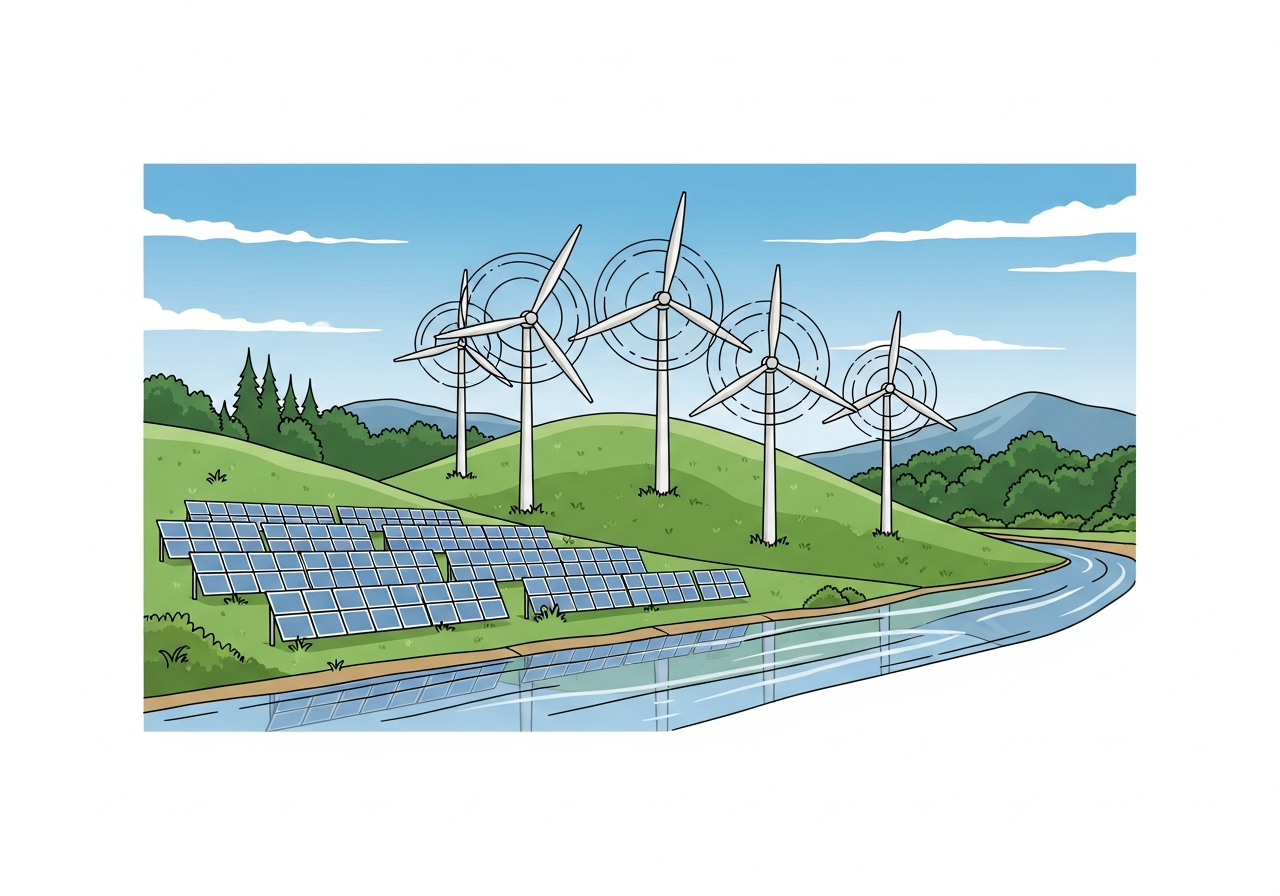
One of the most significant areas of green technology is the development of renewable energy systems. Solar panels, wind turbines, hydroelectric generators, and geothermal systems convert natural energy sources into electricity without producing harmful emissions. These technologies directly address the limitations of fossil fuels discussed in the study of energy resources.

Sustainable Design and Materials

Green technology also encompasses sustainable design the process of creating buildings, products, and systems that minimize environmental impact. This connects closely to Advanced Design and Complex Problem-Solving and Materials Science and Property Analysis, where learners examine how material choices affect environmental outcomes.

Waste Reduction and Circular Economy

Innovations in waste management, including composting systems, recycling technologies, and biodegradable materials, help reduce the volume of waste entering landfills and oceans. These solutions are central to the concept of a circular economy, where resources are reused rather than discarded.

Key Terms & Definitions

Green Technology: The application of science and engineering to create products and processes that are environmentally friendly and resource-efficient, aiming to reduce negative impacts on the natural world.

Renewable Energy: Energy derived from naturally replenishing sources such as sunlight, wind, water, and geothermal heat that do not deplete over time.

Sustainability: The ability to meet present needs without compromising the ability of future generations to meet their own needs, balancing environmental, social, and economic factors.

Carbon Footprint: The total amount of greenhouse gases, particularly carbon dioxide, released into the atmosphere as a result of human activities, including energy use and transportation.

Sustainable Development: Economic and social progress that is achieved in a way that preserves natural resources and ecosystems for future generations.

Clean Energy: Energy generated from sources that produce little to no pollution or greenhouse gas emissions, such as solar, wind, and hydroelectric power.

Systems Thinking: An approach to problem-solving that considers how individual components interact within a larger system, essential for designing integrated environmental solutions.

Circular Economy: An economic model designed to eliminate waste by keeping materials and products in use for as long as possible through reuse, repair, and recycling.

Eco-friendly Innovation: The development of new technologies or methods that reduce environmental harm while maintaining or improving quality of life.

Conservation: The careful management and protection of natural resources and ecosystems to prevent depletion or destruction.

How Green Technology Addresses Environmental Challenges

Human activities have significantly altered natural systems, disrupting cycles such as the carbon cycle, water cycle, and nitrogen cycle. Green technology provides tools to mitigate these disruptions. For example, carbon capture technologies reduce atmospheric CO, while water purification systems restore access to clean water in affected regions.

Understanding Global Change and Environmental Effects helps students appreciate why these technologies are urgently needed. The effects of climate change, habitat loss, and resource overuse create the context in which green technology operates.
Applying Green Technology: Real-World Scenarios

Students can deepen their understanding by analyzing real-world case studies, such as the transition of cities to solar energy grids, the development of electric vehicles, or the implementation of green building standards. These examples connect to Modern Technology and Current Innovations and Future Tech and Emerging Technologies.

Learners are encouraged to apply Systems Thinking and Integrated Solutions to evaluate how different green technologies work together to create comprehensive environmental strategies. For instance, combining solar energy with smart grid systems and energy-efficient buildings creates a more resilient and sustainable community infrastructure.

Prerequisite Knowledge

To fully engage with green technology concepts, students should be familiar with foundational topics including Energy Resources: Renewable and Non-Renewable, which establishes why alternative energy sources are necessary, and Environmental Science, Sustainability, and Conservation Strategies, which provides the ecological context for these solutions.

Additional preparation comes from understanding Global Change and Environmental Effects, Advanced Design and Complex Problem-Solving, Systems Thinking and Integrated Solutions, Modern Technology and Current Innovations, and Future Tech and Emerging Technologies. Together, these topics build the analytical and scientific foundation needed to evaluate and design environmental solutions.

Related Topics & Connections

Green technology sits at the intersection of many scientific disciplines. The following related topics enrich and expand students' understanding of environmental solutions:

Human Impact and Environmental Change provides essential context by examining how human activities drive the need for green technology in the first place. Solutions and Sustainable Practices complements this topic by exploring broader behavioral and policy-based approaches alongside technological ones.

The study of natural cycles including Water Cycle and Global Water Distribution, Carbon Cycle and Carbon Movement, and Nitrogen Cycle and Nutrient Cycling helps students understand what green technology aims to protect and restore. Cycle Disruption and Environmental Effects shows what happens when these systems are damaged.

Energy-related topics such as Electrical Power and Energy Transfer, Energy Distribution and Global Patterns, and Energy Flow and System Dynamics connect directly to how renewable energy technologies function and are distributed globally.

Climate Effects and Solar Influence and Design Process, Advanced Methodology, and Technology Design further support understanding of how green technologies are engineered and deployed. Materials Science and Property Analysis informs the selection of sustainable materials used in green products.

This topic prepares students for advanced study in Climate Change: Evidence and Impacts, Earth System, Resource Management, and Sustainable Practices, Environmental Impact and Human Influences, Resource Use and Management Strategies, Conservation and Protection Methods, Design Process, Advanced Methodology, Technology and Society, Biotechnology and Current Applications, Energy Transformations and Conservation Laws, Types of Energy: Comprehensive Study, Climate Factors, Global Patterns, and Earth System, and System Dynamics and Complex Interactions.