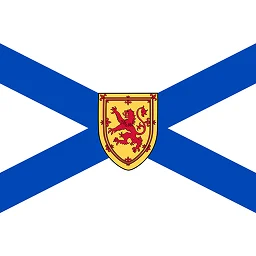
 Nova Scotia
2. Political Foundations and Theory
2.7 Contemporary Political Thought
Chapter 2.7
Contemporary Political Thought: Ideologies, Justice, and the Theories That Shape Modern Politics
Explore the major political philosophies, key thinkers, and theoretical frameworks from Rawls and Gramsci to postcolonial theory and green politics that define contemporary political debate.
What You'll Learn
Political ideologies range from liberalism to green political theory.
Rawls's veil of ignorance grounds distributive and procedural justice.
Gramsci, Foucault, and Arendt reveal how power operates culturally.
Multiculturalism, intersectionality, and postcolonialism challenge liberal universalism.
What You'll Practice
1
Students identify key thinkers and their foundational political philosophy contributions.
2
Questions test distinctions between liberty, justice, and democratic theory concepts.
3
Learners apply political frameworks to Canadian and global contemporary case studies.
Why This Matters
Understanding contemporary political thought equips students with the analytical frameworks to critically evaluate power, justice, and democracy in an increasingly complex and polarized world.
This Unit Includes
Practice exercises
Learning resources
Skills
Political Ideologies
Social Contract
Distributive Justice
Deliberative Democracy
Hegemony
NS Curriculum Aligned