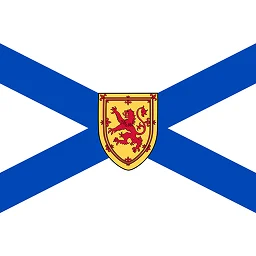
 Nova Scotia
6. Political Geography
6.1 Political Organization of Space
Chapter 6.1
Political Organization of Space: How Territory, Power, and Governance Shape Our World
Explore how political boundaries, sovereignty, and governance structures organize geographic space from local communities to global supranational institutions.
What You'll Learn
Territorial sovereignty defines exclusive state authority within recognized political boundaries.
Nation-states align cultural identity with political and territorial governance structures.
Federal systems distribute power across central, regional, and local government levels.
Globalization and climate change challenge traditional man-made territorial boundary systems.
What You'll Practice
1
Students analyze sovereignty erosion by non-state actors in contested territories.
2
Learners examine how boundaries shape national identity and geopolitical disputes.
3
Questions test vocabulary including devolution, balkanization, enclave, and irredentism.
Why This Matters
Understanding the political organization of space equips learners to analyze territorial conflicts, governance structures, and global power dynamics that shape international relations and everyday civic life.
This Unit Includes
Practice exercises
Learning resources
Skills
Sovereignty
Nation-State
Boundaries
Federalism
Geopolitics
NS Curriculum Aligned