TOPIC
MY PROGRESS
Pug Score
0%
Best Streak
0 in a row
Study Points
+0
Overview
Practice
Read
Quiz
Next Steps
Get Started
Get unlimited access to all videos, practice problems, and study tools.
Back to Menu
Topic Progress
Pug Score
0%
Best Practice
No score
Read
Not viewed
Best Quiz
No attempts
Best Streak
0 in a row
Study Points
+0
Overview
Practice
Read
Quiz
Next Steps
Read
How Do Things Move Through Air and Water?
You will learn how objects move through air and water, and explore the forces like air resistance and water resistance that slow things down or help them move.
Every day, you see things moving through air and water. Birds fly through the air, fish swim through water, and balls travel through the sky when you throw them. You will discover that air and water are not empty they push back on things that move through them!
When something moves through air or water, it has to push that air or water out of the way. This pushing back is called resistance, and it is a very important force you will learn about.
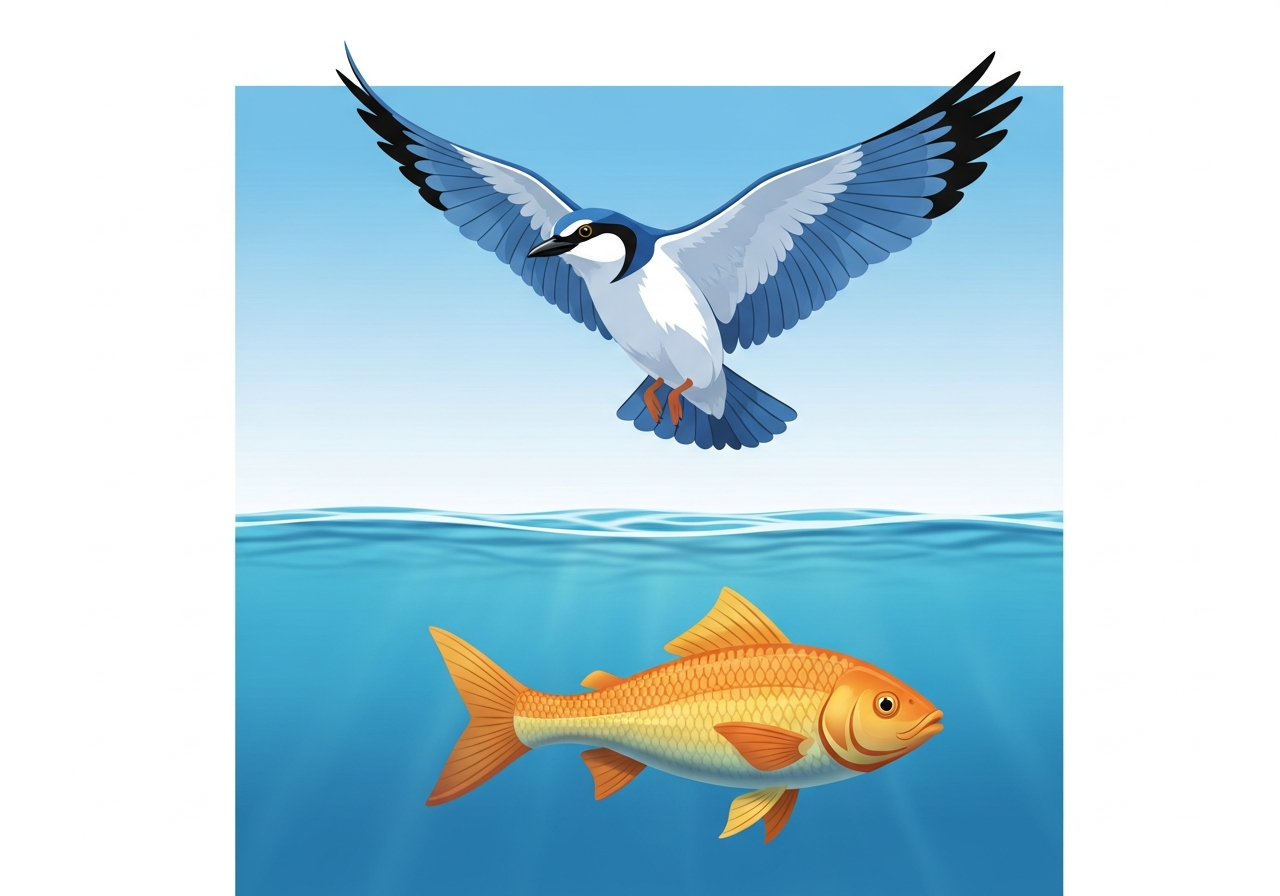
Air Resistance The Pushing Force of Air
Air is an invisible gas that surrounds you everywhere. When you move through air, the air pushes back against you. This pushing-back force is called air resistance.
You can feel air resistance when you stick your hand out of a moving car window the air pushes hard against your hand! Air resistance slows moving objects down as they travel forward.
A special name for this slowing force is drag. Drag is the force of air or water pushing back against something that is moving, making it slow down.

Streamlined Shapes Moving Through Air and Water Easily
Some shapes move through air and water much more easily than others. A streamlined shape is smooth and pointed, helping objects cut through air or water more easily.
Think about an airplane it has a smooth body and a pointed front nose. This shape lets it slice through the air with very little resistance. Race cars, rockets, and dolphins all use streamlined shapes too!
A flat, wide, or bumpy shape catches more air or water and creates more resistance. That is why a flat piece of paper falls more slowly than a crumpled ball of the same paper the flat paper catches more air!
Water Resistance Moving Through Water
Water is a liquid that pushes back even harder than air, making it harder to move through. When a boat moves through water, the water pushes back against it this is called water resistance.
You would notice this if you tried to walk through a swimming pool it feels much harder than walking through air! Water is much denser than air, so it creates much more resistance against your movement.
Boats have pointed fronts called bows so they can cut through water more easily. Swimmers wear smooth, tight swimsuits in competitions to reduce water resistance and swim faster.
Gravity and How It Works With Resistance
Gravity is the force that pulls every object down toward the Earth. When you drop something, gravity pulls it downward. But air resistance pushes upward against falling objects, slowing them down.
A feather falls slowly because it is light and has a wide, flat shape that catches a lot of air resistance. A rock falls fast because it is heavy and compact, so it pushes through air more easily. A solid metal ball is the fastest to fall because it has very little air resistance compared to its weight.
How Animals Are Built for Movement
Many animals have amazing body shapes that help them move through air or water. A dolphin has a smooth, pointed, torpedo-like body a perfect streamlined shape for fast movement through water. A shark also has a smooth, narrow, pointed body that reduces water resistance.
Fish have fins flat parts on their body that help them steer and push through water. Birds have wings that catch air underneath them, helping birds rise and fly. A bird's smooth feathers and pointed beak also reduce air resistance.
Porcupines, crabs, and jellyfish have shapes that create much more resistance in water and are not built for fast swimming.
Floating and Sinking
When you place an object in water, two things can happen. To float means to stay on top of water without sinking. To sink means to fall through water all the way to the bottom.
Whether something floats or sinks depends on its shape, size, and what it is made of. Boats are shaped so they can float even though they are heavy.
Smooth Surfaces and Reducing Drag
Smooth surfaces have no bumps, so air and water slide past them easily, reducing drag. This is why cyclists wear smooth, tight helmets during races the smooth helmet helps reduce air resistance while riding fast.
Rough or bumpy surfaces catch more air or water, creating more drag and slowing the object down. You can see this in everyday life a paper airplane with pointed wings flies farther than a crumpled paper ball because the pointed wings are streamlined and face less air resistance.
Key Terms and Definitions
Air: Air is an invisible gas that surrounds you and pushes back on things that move through it. You cannot see air, but you can feel it when the wind blows or when you stick your hand out of a moving car window.
Water: Water is a liquid that pushes back even harder than air, making it harder to move through. When you walk through a pool, you can feel water pushing against your legs.
Resistance: Resistance is the pushing-back force that slows moving objects down. When you move through air or water, resistance works against your movement and makes you go slower.
Streamlined shape: A streamlined shape is smooth and pointed, helping objects cut through air or water more easily. Airplanes, rockets, dolphins, and fish all have streamlined shapes.
Float: To float means to stay on top of water without sinking. Boats and rubber ducks float on water.
Drag: Drag is the force of air or water pushing back against something that is moving, making it slow down. When a ball is thrown, drag slows it down as it travels through the air.
Fins: Fins are the flat parts on a fish's body that help it steer and push through water. Fins help fish change direction and move forward in the water.
Wings: Wings catch air underneath them, helping birds and airplanes rise and fly. A bird's curved, smooth wing causes air to flow over it and lift the bird up.
Sink: To sink means to fall through water all the way to the bottom. Heavy, dense objects with no air inside them tend to sink.
Smooth surfaces: Smooth surfaces have no bumps, so air and water slide past them easily, reducing drag. Racing helmets and swimsuits are made with smooth surfaces to help athletes move faster.
Air resistance: Air resistance is a pushing force that air makes against a moving object. It slows objects down as they travel through the air.
Water resistance: Water resistance is a slowing force that water pushes against a moving object. It makes it harder to move through water than through air.
Gravity: Gravity is the force that pulls every object down toward the Earth below. Gravity is why things fall when you drop them.
Try These Activities to Explore Movement
You can explore air resistance right at home! Drop a flat piece of paper and a crumpled ball of the same paper at the same time. You will see the crumpled ball falls faster because it catches less air resistance.
You can also hold your hand flat out of a car window (with an adult's help) and feel the air pushing against it. Then turn your hand sideways you will feel less resistance because your hand is now more streamlined!
Try dropping a feather and a small rock at the same time. You will notice the rock falls much faster because the feather catches a lot of air resistance as it falls.
What You Need to Know First
To understand movement through air and water, it helps to already know that objects can move in different directions forward, backward, up, and down. You should also know that forces are pushes and pulls that make things move or stop moving.
Knowing that gravity pulls things downward will help you understand why objects fall and why air resistance and water resistance work against that falling motion.
Related Topics and Connections
This topic about movement through air and water is part of a bigger chapter on Movement. As you learn about how things move through air and water, you are building a strong foundation for understanding forces and motion in science.
Understanding resistance and streamlined shapes connects to many things you see every day from how airplanes are designed to how fish swim and how parachutes work. These ideas will help you explore more advanced science topics about forces, energy, and engineering design as you continue learning.
The concepts you learn here about drag, gravity, and streamlined shapes are used by engineers who design cars, planes, boats, and even sports equipment. Every time you see a race car, a swimmer, or a rocket, you will recognize the science of movement through air and water at work!