Alberta
Master Mathematics 10-3
Watch measurement videos, practice with real-world problems

I was failing measurement until I found StudyPug. The video lessons on SI conversions saved my grade. Went from D to B in two months.
Jordan Patel

Why Mathematics 10-3 Students Choose StudyPug
The complete learning system to master Mathematics 10-3
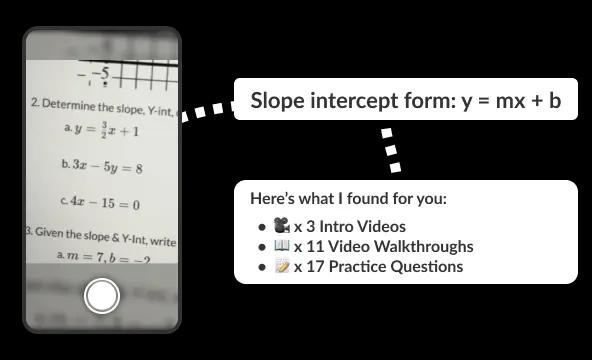
Search with Photo
Snap a photo of any problem and get the exact lesson
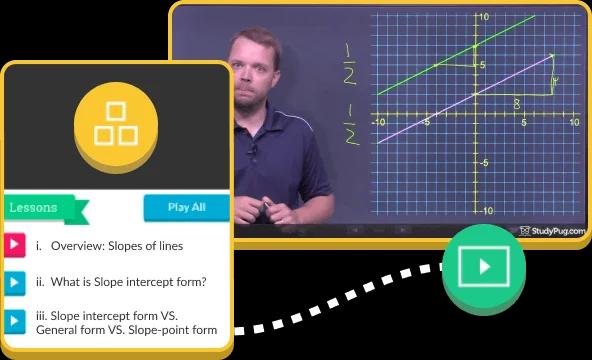
Expert Video Teaching
Certified teachers explain every concept with clear examples
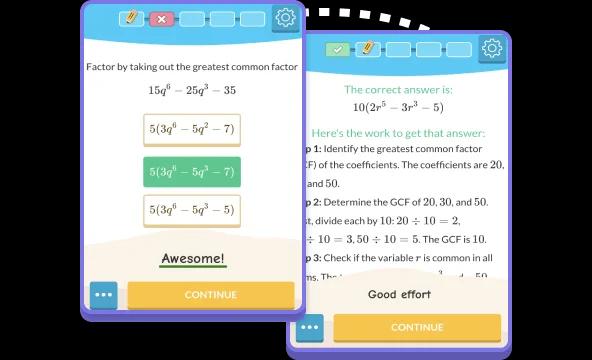
Unlimited Practice
Thousands of practice questions with step-by-step solutions
How Alberta Students Use StudyPug
1

Select Grade Level
Choose your Alberta grade (K-12) and current math topics.
2

Get Unstuck
Upload homework problems or browse curriculum-aligned lessons.
3

Practice & Master
Work through similar problems until concepts stick.
4

See Results
Track progress and watch grades improve week by week.
Find the right Alberta Grade 10 course
Alberta Mathematics 10-3 Help: Master Concepts FastHelp
LO_ID | Learning Outcome-Skills & Procedures | StudyPug Topic |
|---|---|---|
AB.SO.10-3.1 | Solve problems that involve unit pricing and currency exchange, using proportional reasoning: Compare unit prices, determine best buys, compare sales promotions, calculate percent changes, solve currency exchange problems using proportional reasoning, explain difference between selling and purchasing rates |
AB.SO.10-3.2 | Demonstrate an understanding of the International System of Units (SI) by describing the relationships of the units for length, area, volume, capacity, mass and temperature; applying strategies to convert SI units to imperial units: Explain SI system development, identify base units and relationships, match prefixes with powers of ten, explain use of decimals in SI, provide approximate SI measurements for imperial, convert between SI units, convert SI to imperial using proportional reasoning |
AB.SO.10-3.3 | Demonstrate an understanding of the imperial system by describing the relationships of the units for length, area, volume, capacity, mass and temperature; comparing the American and British imperial units for capacity; applying strategies to convert imperial units to SI units: Explain imperial system development, identify common units and relationships, compare American and British systems, provide approximate imperial measurements for SI, convert between imperial units, convert imperial to SI using proportional reasoning |
AB.SO.10-3.4 | Solve and verify problems that involve SI and imperial linear measurements, including decimal and fractional measurements: Identify referents for common units, estimate and measure using various instruments, solve problems involving perimeter, circumference, and length + width + height, determine appropriate operations, provide examples of dividing fractional measurements, determine midpoints, assess reasonableness of solutions |
AB.SO.10-3.5 | Solve problems that involve SI and imperial area measurements of regular, composite and irregular 2-D shapes and 3-D objects, including decimal and fractional measurements, and verify the solutions: Identify and compare referents for area measurements, estimate areas using grid systems, solve area problems for various shapes including circles, solve surface area problems for 3-D objects, convert between units, assess reasonableness of solutions |
AB.SO.10-3.6 | Analyze puzzles and games that involve spatial reasoning, using problem-solving strategies: Determine, explain, and verify strategies to solve puzzles or win games, identify and correct errors in solutions or strategies, create variations of puzzles or games and describe solving/winning strategies |
AB.SO.10-3.7 | Demonstrate an understanding of the Pythagorean theorem by identifying situations that involve right triangles, verifying the formula, applying the formula, solving problems: Explain application to right triangles, verify theorem, describe applications, determine if triangles are right triangles, explain 3:4:5 ratio, use ratio to check corners and rectangles, solve problems using the theorem |
AB.SO.10-3.8 | Demonstrate an understanding of similarity of convex polygons, including regular and irregular polygons: Determine similarity using angle measurements and side length ratios, explain why polygons are not similar, explain relationships between corresponding sides, draw similar polygons, explain similarity of right triangles with shared acute angle, solve contextual problems |
AB.SO.10-3.9 | Demonstrate an understanding of primary trigonometric ratios (sine, cosine, tangent) by applying similarity to right triangles, generalizing patterns from similar right triangles, applying the primary trigonometric ratios, solving problems: Show consistency of ratios in similar right triangles, generalize formulas, identify situations for indirect measurement, solve contextual problems using ratios, assess reasonableness of solutions |
AB.SO.10-3.10 | Solve problems that involve parallel, perpendicular and transversal lines, and pairs of angles formed between them: Sort and justify line classifications, illustrate and describe complementary and supplementary angles, identify and name angle pairs, explain relationships, determine if lines or planes are perpendicular or parallel, determine angle measures, solve contextual problems |
AB.SO.10-3.11 | Demonstrate an understanding of angles, including acute, right, obtuse, straight and reflex, by drawing, replicating and constructing, bisecting, solving problems: Draw and describe various angle types, identify referents, sketch and estimate angles, measure using protractors, explain and demonstrate replication methods, bisect angles, solve contextual problems involving angles |
AB.SO.10-3.13 | Demonstrate an understanding of income, including wages, salary, contracts, commissions, piecework: Describe various income-earning methods, identify jobs using different methods, describe advantages and disadvantages, calculate work time and gross pay, explain gross vs net pay, calculate deductions and net pay, explore income change scenarios, identify and correct errors in income-related problems |
AB.SO.10-3.14 | Research and give a presentation on a current event or an area of interest that involves mathematics: Collect and assess data, identify bias and multiple viewpoints, describe data collection methods, determine relevance and consistency, interpret data using statistical methods if applicable, identify controversial issues, organize and present research with or without technology |
Complete Alberta Mathematics 10-3 Coverage
Mathematics 10-3 Lessons
58
Video Explanations
362
Practice Problems
496
Alberta Standards
100% Aligned
Why Alberta Mathematics 10-3 Students Love StudyPug
Alberta Diploma Preparation
Practice with real Alberta-style questions—be ready for diploma exams

Canadian Certified Teachers
Learn from expert Alberta teachers who know exactly what you need for Mathematics 10-3
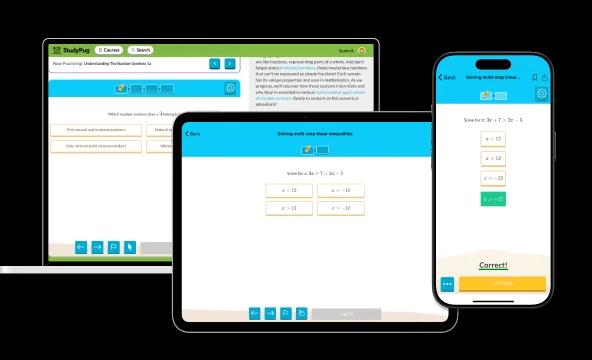
Learn Anywhere
Desktop, tablet, or phone—your Mathematics 10-3 lessons sync across all devices
Success Stories
Currency conversions were confusing me. The step-by-step videos made everything clear. Aced my unit test with 92%.
Alex Chen
I was struggling with Pythagorean theorem. The AI found exactly what I needed. Brought my grade up to A- in three weeks.
Riley Johnson
Read More
Frequently Asked Questions
Get answers to common questions about Mathematics 10-3 on StudyPug
What does Mathematics 10-3 coverage include?
Complete Math 10-3 curriculum with video lessons on measurement systems, conversions, geometry, Pythagorean theorem, trigonometry, angles, income calculations, and data analysis. Includes practice problems, step-by-step solutions, and progress tracking for every topic.
How does photo search work?
Take a photo of any Math 10-3 problem, and StudyPug finds the exact lesson teaching that concept. It's like having a personal tutor who knows exactly what you need.
Are the teachers certified Alberta educators?
Yes! Our teachers are Canadian certified Alberta educators who understand Mathematics 10-3 curriculum and create lessons specifically for Alberta standards.
Can I use StudyPug on my phone or tablet?
Absolutely! StudyPug works on desktop, tablet, and mobile. Your progress syncs automatically so you can learn anywhere.
How will StudyPug help me prepare for Alberta diploma exams?
We include Alberta diploma-style practice questions and teach the exact concepts you need. Students report significantly improved test scores and confidence on exam day.
Practice Smart, See Real Progress
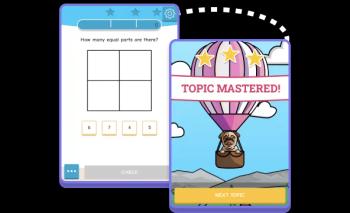
Unlimited Targeted Practice
10,000+ questions adjust to your exact skill level. Never run out of problems that challenge you.
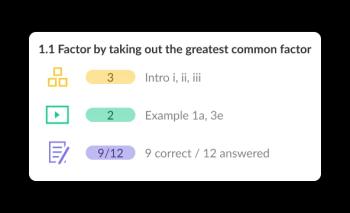
Visual Progress Tracking
See mastery percentage for every topic. Parents get weekly progress emails automatically.
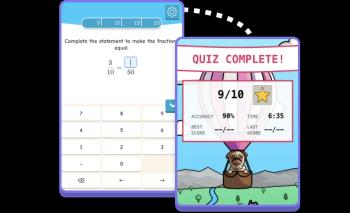
Achievement System
Earn badges for consistency and improvement. Build learning streaks that motivate daily practice
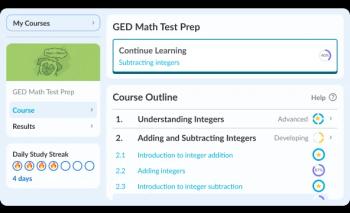
Detailed Analytics
Time spent, problems solved, concepts mastered. Identify exactly where more practice is needed.