Texas
TexasMaster Statistics
Watch statistics videos, practice with real-world problems

Probability distributions made no sense until StudyPug. The step-by-step videos finally made it click. Went from C to A- in 6 weeks.
Jordan Rodriguez

Why Statistics Students Choose StudyPug
The complete learning system to master Statistics
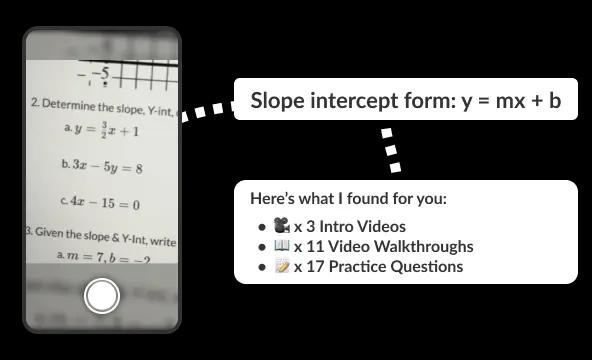
Search with Photo
Snap a photo of any problem and get the exact lesson
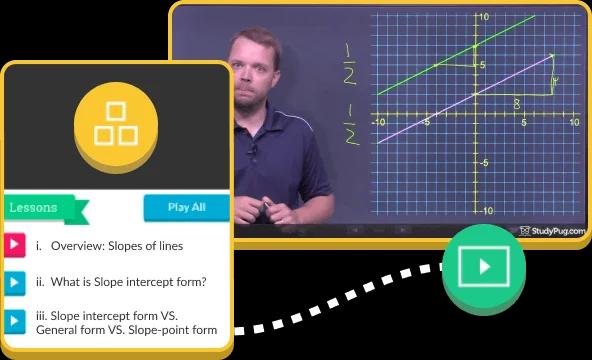
Expert Video Teaching
Certified teachers explain every concept with clear examples
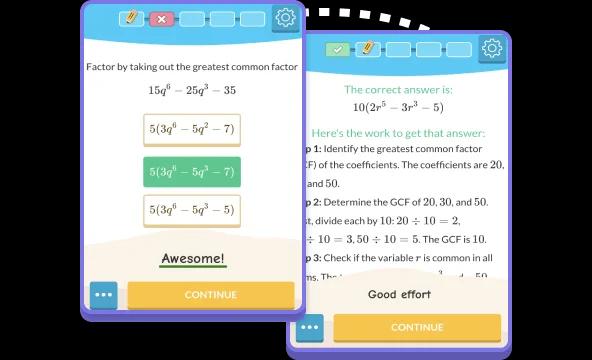
Unlimited Practice
Thousands of practice questions with step-by-step solutions
How Texas Students Use StudyPug
1
Select Grade Level
Choose your Texas grade (K-12) and current math topics.
2

Get Unstuck
Upload homework problems or browse curriculum-aligned lessons.
3

Practice & Master
Work through similar problems until concepts stick.
4

See Results
Track progress and watch grades improve week by week.
Statistics Help Texas: Master Concepts FastHelp
ID | Strand & Expectation | StudyPug Topic |
|---|---|---|
TX.S.2.A | Distinguish between mathematical models and statistical models |
TX.S.2.B | Construct a statistical model to describe variability around the structure of a mathematical model for a given situation |
TX.S.2.C | Distinguish among different sources of variability, including measurement, natural, induced, and sampling variability |
TX.S.2.D | Describe and model variability using population and sampling distributions |
TX.S.3.B | Represent and summarize data and justify the representation |
TX.S.3.C | Analyze the distribution characteristics of quantitative data, including determining the possible existence and impact of outliers |
TX.S.3.E | Compare and contrast meaningful information derived from summary statistics given a data set |
TX.S.3.F | Analyze categorical data, including determining marginal and conditional distributions, using two-way tables |
TX.S.4.B | Describe the relationship between theoretical and empirical probabilities using the Law of Large Numbers |
TX.S.4.C | Construct a distribution based on a technology-generated simulation or collected samples for a discrete random variable |
TX.S.4.D | Compare statistical measures such as sample mean and standard deviation from a technology-simulated sampling distribution to the theoretical sampling distribution |
TX.S.5.A | Explain how a sample statistic and a confidence level are used in the construction of a confidence interval |
TX.S.5.B | Explain how changes in the sample size, confidence level, and standard deviation affect the margin of error of a confidence interval |
TX.S.5.C | Calculate a confidence interval for the mean of a normally distributed population with a known standard deviation |
TX.S.5.E | Interpret confidence intervals for a population parameter, including confidence intervals from media or statistical reports |
TX.S.5.F | Explain how a sample statistic provides evidence against a claim about a population parameter when using a hypothesis test |
TX.S.5.H | Explain the meaning of the p-value in relation to the significance level in providing evidence to reject or fail to reject the null hypothesis in the context of the situation |
TX.S.5.I | Interpret the results of a hypothesis test using technology-generated results such as large sample tests for proportion, mean, difference between two proportions, and difference between two independent means |
TX.S.5.J | Describe the potential impact of Type I and Type II Errors |
TX.S.6.A | Identify the goal of a statistical study and the type of study needed |
TX.S.6.D | Analyze how potential bias and random errors can affect reliability |
TX.S.6.E | Determine variables to be used in a statistical study |
TX.S.6.F | Create a display of data using graphical and numerical techniques to describe the distribution, association, or trends |
Complete Texas Statistics Coverage
Statistics Lessons
32
Video Explanations
260
Practice Problems
349
Texas Standards
100% Aligned
Why Texas Statistics Students Love StudyPug
SAT Math Preparation
Practice with real SAT-style statistics questions—be ready for test day
Certified Teachers
Learn from expert Texas teachers who know exactly what you need for Statistics
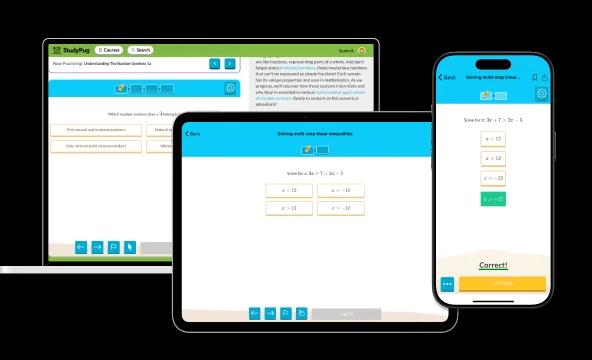
Learn Anywhere
Desktop, tablet, or phone—your Statistics lessons sync across all devices
Success Stories
Hypothesis testing was destroying me. The AI found exact lessons instantly. Scored 92% on my final and raised my GPA.
Alex Chen
Confidence intervals took forever to understand. StudyPug's videos made them simple. Cut my study time in half.
Taylor Williams
Read More
Frequently Asked Questions
Get answers to common questions about Statistics on StudyPug
What does Statistics coverage include?
Complete Statistics curriculum with video lessons, practice problems, step-by-step solutions, and progress tracking for every topic including data analysis, probability, distributions, and statistical inference.
How does photo search work for statistics problems?
Take a photo of any statistics problem, and StudyPug finds the exact lesson teaching that concept. It's like having a personal tutor who knows exactly what you need for probability, inference, or data analysis.
Are the teachers certified Texas educators?
Yes! Our teachers are certified Texas educators who understand state curriculum and create lessons specifically for Texas Statistics standards and college prep requirements.
Can I use StudyPug on my phone or tablet?
Absolutely! StudyPug works on desktop, tablet, and mobile. Your progress syncs automatically so you can study statistics anywhere, whether you're at home, school, or on the go.
How will StudyPug help me prepare for college-level statistics?
We cover all fundamental concepts including hypothesis testing, confidence intervals, and data analysis that prepare you for college statistics courses and standardized tests like the SAT.
Practice Smart, See Real Progress
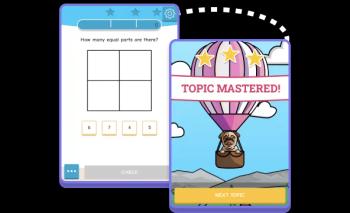
Unlimited Targeted Practice
10,000+ questions adjust to your exact skill level. Never run out of problems that challenge you.
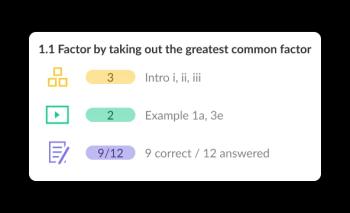
Visual Progress Tracking
See mastery percentage for every topic. Parents get weekly progress emails automatically.
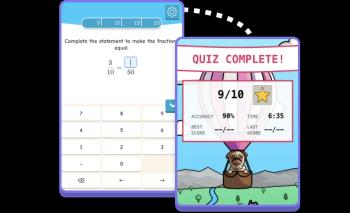
Achievement System
Earn badges for consistency and improvement. Build learning streaks that motivate daily practice
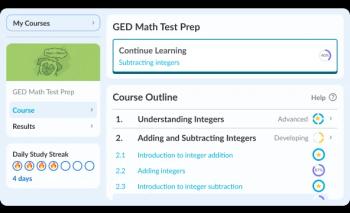
Detailed Analytics
Time spent, problems solved, concepts mastered. Identify exactly where more practice is needed.