New York
New York 2nd Grade Math
Practice with interactive activities, build addition and subtraction foundations

My daughter went from counting on fingers to solving two-digit addition in her head. The daily practice built real confidence.
Jennifer M.

Why Choose StudyPug for Grade 2
Trusted platform that builds strong math foundations
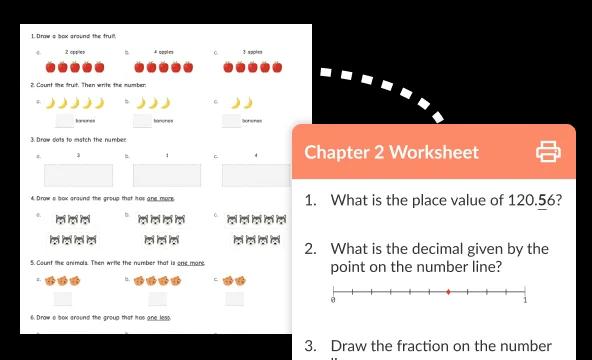
Practice & Worksheets
Printable worksheets and interactive practice for every topic
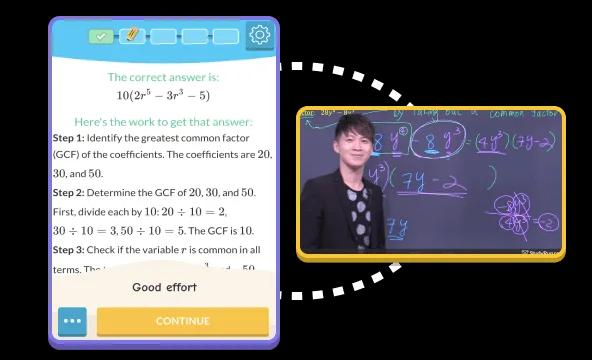
Step-by-Step Solutions
See the complete solution process for every practice problem
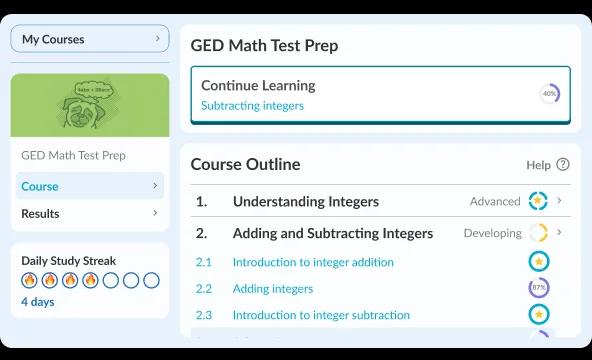
Track Progress
See exactly what they've mastered and what needs more work
How New York Students Use StudyPug
1

Select Grade Level
Choose your New York grade (K-12) and current math topics.
2

Get Unstuck
Upload homework problems or browse curriculum-aligned lessons.
3

Practice & Master
Work through similar problems until concepts stick.
4

See Results
Track progress and watch grades improve week by week.
New York 2nd Grade Math Help | Build Strong SkillsHelp
ID | Math Standard Description | StudyPug Topic |
|---|---|---|
NY.2.OA.1 | Use addition and subtraction within 100 to solve one- and two-step word problems. |
NY.2.OA.2 | Fluently add and subtract within 20 using mental strategies. |
NY.2.OA.3 | Determine whether a group of objects (up to 20) has an odd or even number of members. |
NY.2.OA.4 | Use addition to find the total number of objects arranged in rectangular arrays with up to 5 rows and up to 5 columns; write an equation to express the total as a sum of equal addends. |
NY.2.NBT.1 | Understand that the three digits of a three-digit number represent amounts of hundreds, tens, and ones. |
NY.2.NBT.2 | Count within 1000; skip-count by 5s, 10s, and 100s. |
NY.2.NBT.3 | Read and write numbers to 1000 using base-ten numerals, number names, and expanded form. |
NY.2.NBT.5 | Fluently add and subtract within 100 using strategies based on place value, properties of operations, and/or the relationship between addition and subtraction. |
NY.2.NBT.7 | Add and subtract within 1000, using concrete models or drawings and strategies based on place value, properties of operations, and/or the relationship between addition and subtraction. |
NY.2.NBT.8 | Mentally add 10 or 100 to a given number 100–900, and mentally subtract 10 or 100 from a given number 100–900. |
NY.2.NBT.9 | Explain why addition and subtraction strategies work, using place value and the properties of operations. |
NY.2.G.3 | Partition circles and rectangles into two, three, or four equal shares, describe the shares using the words halves, thirds, half of, a third of, etc., and describe the whole as two halves, three thirds, four fourths. Recognize that equal shares of identical wholes need not have the same shape. |
Complete New York 2nd Grade Math Coverage
2nd Grade Math Lessons
25
Practice Activities
12
Practice Problems
54
New York Standards
100% Aligned


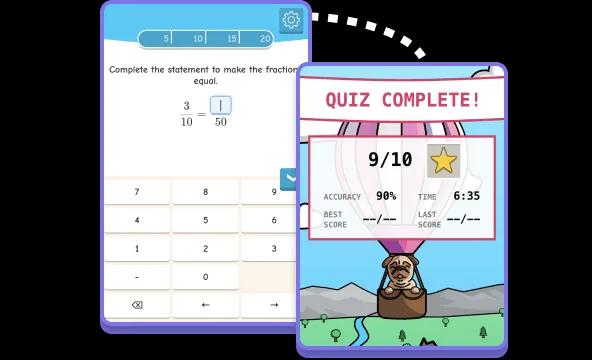
Success Stories
The measurement lessons with rulers and clocks were perfect. He can tell time and measure objects confidently now.
Michael R.
She works through place value activities independently every morning. Her understanding of hundreds, tens, and ones is solid.
Priya S.
Read More
Frequently Asked Questions
Common questions about 2nd Grade Math help
How does StudyPug align with New York 2nd Grade Math standards?
StudyPug covers all New York Next Generation Learning Standards for 2nd Grade Math, including addition and subtraction within 100, place value to 1000, measurement, time, money, and data representation.
What topics are covered in 2nd Grade Math?
Core topics include word problems, mental math strategies, odd and even numbers, arrays, three-digit numbers, skip counting, measurement with standard units, telling time, working with money, line plots, bar graphs, and shapes.
How does the adaptive practice work for 2nd graders?
After a quick assessment, the platform creates a personalized learning path. Practice questions adjust difficulty based on performance, ensuring your child works at the right level to build confidence and mastery.
Can my child practice NYSTP test questions?
Yes, StudyPug includes practice problems that match NYSTP format and question types. This helps familiarize students with standardized test structure while reinforcing core math concepts.
Are printable worksheets included for 2nd Grade Math?
Yes, printable worksheets are available for all 2nd Grade Math topics. These complement the interactive practice and are great for offline review, homework support, or additional skill building.
Practice Smart, See Real Progress

Unlimited Targeted Practice
10,000+ questions adjust to your exact skill level. Never run out of problems that challenge you.
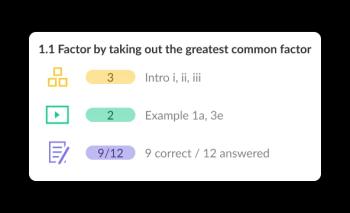
Visual Progress Tracking
See mastery percentage for every topic. Parents get weekly progress emails automatically.
Achievement System
Earn badges for consistency and improvement. Build learning streaks that motivate daily practice
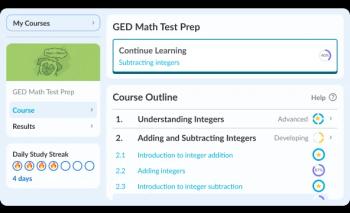
Detailed Analytics
Time spent, problems solved, concepts mastered. Identify exactly where more practice is needed.