Arizona
Arizona Kindergarten Math
Practice with interactive activities, build number sense and counting foundations

My daughter went from not recognizing numbers to counting to 20 in just six weeks. The worksheets made practice fun at home.
Maria G.

Why Choose StudyPug for Kindergarten
Trusted platform that builds strong math foundations
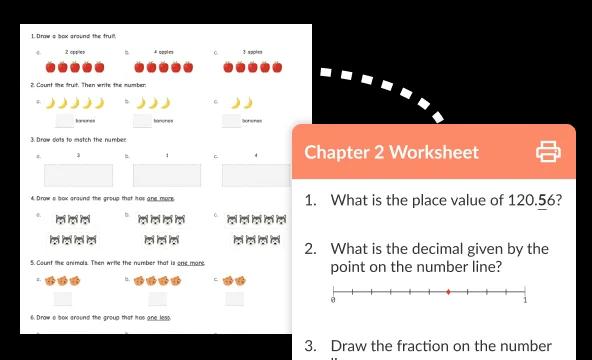
Practice & Worksheets
Printable worksheets and interactive practice for every topic
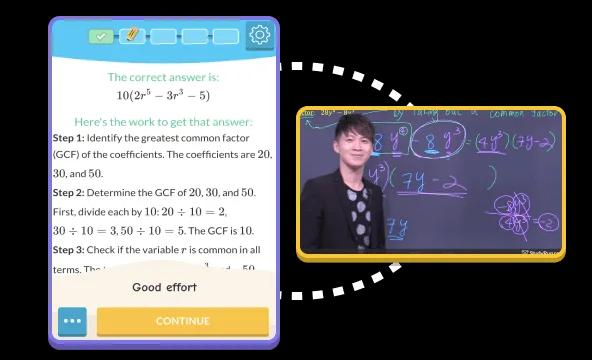
Step-by-Step Solutions
See the complete solution process for every practice problem
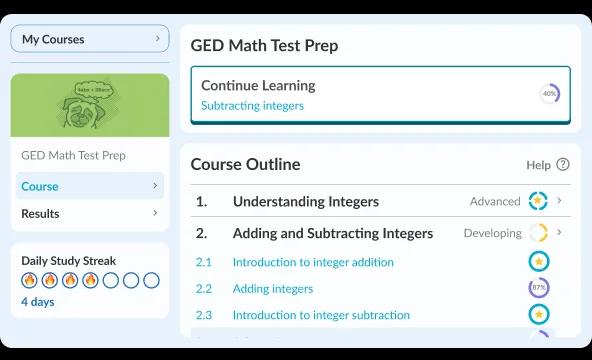
Track Progress
See exactly what they've mastered and what needs more work
How Arizona Students Use StudyPug
1

Select Grade Level
Choose your Arizona grade (K-12) and current math topics.
2

Get Unstuck
Upload homework problems or browse curriculum-aligned lessons.
3

Practice & Master
Work through similar problems until concepts stick.
4

See Results
Track progress and watch grades improve week by week.
Arizona Kindergarten Math Help | Build Strong SkillsHelp
ID | Standard | StudyPug Topic |
|---|---|---|
K.CC.A.1 | Count to 100 by ones and by tens |
K.CC.A.2 | Count forward beginning from a given number within the known sequence |
K.CC.A.3 | Write numbers from 0 to 20. Represent a number of objects with a written numeral 0-20 |
K.CC.B.4 | Understand the relationship between numbers and quantities; connect counting to cardinality |
K.CC.B.5 | Count to answer "how many?" questions about as many as 20 things |
K.CC.C.6 | Identify whether the number of objects in one group is greater than, less than, or equal to the number of objects in another group |
K.CC.C.7 | Compare two numbers between 1 and 10 presented as written numerals |
K.OA.A.1 | Represent addition and subtraction with objects, fingers, mental images, drawings, sounds, acting out situations, verbal explanations, expressions, or equations |
K.OA.A.2 | Solve addition and subtraction word problems, and add and subtract within 10 |
K.OA.A.3 | Decompose numbers less than or equal to 10 into pairs in more than one way |
K.OA.A.4 | For any number from 1 to 9, find the number that makes 10 when added to the given number |
K.OA.A.5 | Fluently add and subtract within 5 |
K.NBT.A.1 | Compose and decompose numbers from 11 to 19 into ten ones and some further ones |
K.G.A.2 | Correctly name shapes regardless of their orientations or overall size |
K.G.B.4 | Analyze and compare two- and three-dimensional shapes, in different sizes and orientations, using informal language to describe their similarities, differences, parts and other attributes |
Complete Arizona Kindergarten Math Coverage
Kindergarten Lessons
31
Practice Problems
140
Arizona Standards
100% Aligned


Success Stories
The counting activities made such a difference. My son now counts to 50 independently and asks to practice more every day.
Jennifer R.
She went from confused about shapes to identifying them everywhere we go. The progress tracker showed us exactly what clicked.
David L.
Read More
Frequently Asked Questions
Common questions Arizona parents ask about Kindergarten Math
Is StudyPug aligned with Arizona Academic Standards for Kindergarten Math?
Yes, StudyPug is 100% aligned with Arizona Academic Standards. We cover all Kindergarten topics including counting to 100, understanding quantities, addition and subtraction within 10, and shape identification.
How does StudyPug help prepare my child for AzM2 testing?
StudyPug builds the foundational skills tested on AzM2. Our practice activities match Arizona's standards for number sense, operations, and geometry, ensuring your child is confident with the concepts.
What makes StudyPug different from other Kindergarten math programs?
StudyPug offers personalized practice that adapts to your child's level, printable worksheets for hands-on learning, and step-by-step solutions. Parents can track progress and see exactly what their child has mastered.
Can my Kindergartener use StudyPug independently?
StudyPug is designed for young learners with simple navigation and engaging activities. While some parental guidance helps, especially early on, many Kindergarteners practice independently as they become familiar with the platform.
How much time should my Kindergartener spend on StudyPug each day?
We recommend 10-15 minutes daily for Kindergarten. Short, consistent practice sessions build skills effectively while maintaining engagement. You can adjust based on your child's attention span and progress.
Practice Smart, See Real Progress
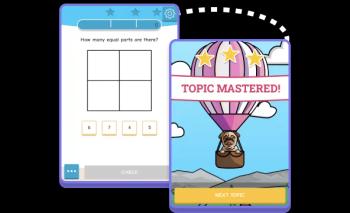
Unlimited Targeted Practice
10,000+ questions adjust to your exact skill level. Never run out of problems that challenge you.
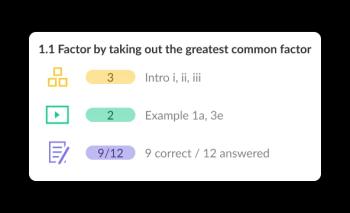
Visual Progress Tracking
See mastery percentage for every topic. Parents get weekly progress emails automatically.
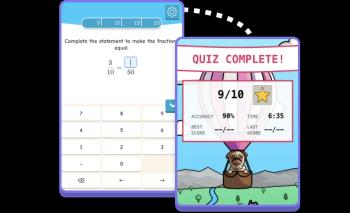
Achievement System
Earn badges for consistency and improvement. Build learning streaks that motivate daily practice
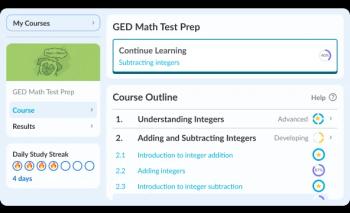
Detailed Analytics
Time spent, problems solved, concepts mastered. Identify exactly where more practice is needed.